
Common Carpet Stains and the Best Methods for Removal
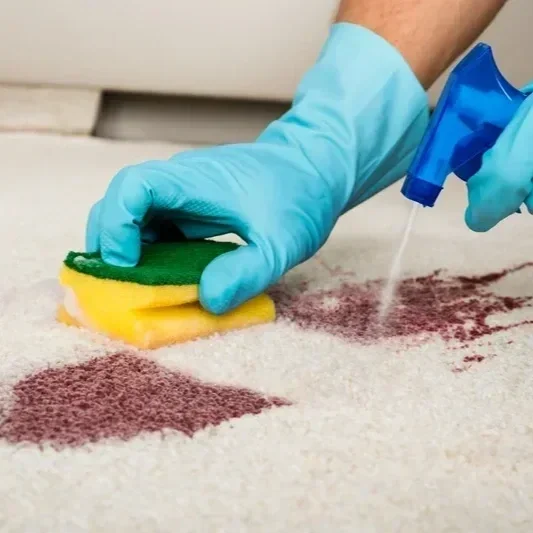
Whether caused by food, beverages, pets, or other household mishaps, each type of stain requires a specific approach to restore your carpet’s appearance effectively.
Carpets are a vital part of any home, offering comfort, warmth, and aesthetic appeal. However, daily wear and unexpected spills can lead to unsightly stains, compromising both the look and hygiene of your floors. Whether caused by food, beverages, pets, or other household mishaps, each type of stain requires a specific approach to restore your carpet’s appearance effectively.
While professional carpet cleaning services present the most reliable solutions for stubborn stains, understanding the proper techniques for spot treatment can help maintain your carpets between deep cleanings and prevent permanent damage.
Food and Beverage Stains
Food and beverage spills are some of the most frequent culprits of carpet discoloration. Coffee, red wine, fruit juice, and sauces can leave noticeable marks if not addressed promptly. The solution to minimizing damage is immediate action. Blotting—rather than rubbing—the spill prevents the liquid from penetrating deeper into the carpet fibers.
For many beverage stains, a simple mixture of water and mild detergent is sufficient to lift the discoloration. Acidic beverages, such as wine or citrus juice, benefit from club soda, which neutralizes the acid and prevents further fiber damage. For sticky sauces or sugary drinks, cold water can help loosen residue before treatment with a gentle cleaner. Professional carpet cleaning services often employ deep extraction techniques that remove lingering residues, preventing stains from reappearing over time.
Pet Stains
Pet accidents present a unique challenge due to both their odor and potential for bacterial growth. Urine, vomit, or dander can create persistent issues if not treated promptly, leaving both visual and olfactory reminders. Enzyme-based cleaners are effective in breaking down organic matter and neutralizing odors, reducing the likelihood of repeat accidents in the same spot.
For older or deeply embedded pet stains, professional carpet cleaners employ hot water extraction and specialized solutions that penetrate deep into the fibers. This not only removes stubborn stains but also restores the freshness of your carpet, boosting indoor air quality and creating a more hygienic living environment.
Ink and Dye Stains
Ink, hair dye, and other colored substances pose one of the toughest challenges for carpet maintenance. Marker or pen stains can seep quickly into fibers, making removal difficult without spreading the stain further. Rubbing alcohol applied sparingly to the affected area can lift many types of ink. However, patience is key: blot gently from the outside in to prevent smearing.
Severe or older ink and dye stains often require professional intervention. Carpet cleaning specialists have access to stronger, fiber-safe solutions and deep-cleaning equipment that removes discoloration without damaging the carpet. Prompt treatment is essential, as untreated ink stains can become permanent.
Oil and Grease Stains
Grease and oil stains often originate in the kitchen, from cosmetics, or from substances tracked in from outside. These stains cling stubbornly to carpet fibers and are generally resistant to water-based cleaners. A common home remedy is to sprinkle baking soda over the stain to absorb excess oil, then apply a mild detergent solution. Dry-cleaning solvents are also effective for more stubborn spills.
Professional carpet cleaners are particularly valuable for grease and oil stains because they can remove buildup that home methods often miss. This prevents carpets from looking dull, greasy, or worn over time. Regular maintenance and prompt treatment help maintain the softness and color of your carpet fibers.
Mud and Dirt Stains
Mud and dirt are unavoidable in high-traffic areas, especially in homes with children or pets. The best strategy is to allow mud to dry completely before attempting removal, as wet mud can smear and embed further into the fibers. Once dry, vacuuming lifts most of the debris. Any leftover residue can be treated with a mild carpet-cleaning solution to restore appearance.
Routine deep cleaning in these high-traffic zones prevents soil from settling into the carpet base, extending the life of the fibers and maintaining a consistent, clean look. Entrances, hallways, and play areas particularly benefit from periodic professional extraction.
Blood Stains
Blood stains require a delicate approach, as warm water can cause proteins to coagulate and set the stain permanently. Cold water is recommended to loosen fresh stains, followed by a gentle detergent solution to remove any residue. For dried or older stains, professional carpet cleaning methods can extract the discoloration without damaging fibers. Immediate action and careful handling are crucial for preventing permanent marks.
Routine Maintenance and Prevention
While spot treatments are essential for addressing individual stains, regular maintenance is key to keeping carpets fresh and vibrant. Vacuuming high-traffic areas frequently prevents dirt and debris from embedding deeply into fibers. For households with pets or children, regular professional carpet cleaning every six to twelve months guarantees allergens, bacteria, and hidden stains are thoroughly removed.
Using protective measures, such as area rugs in high-traffic zones and promptly addressing spills, reduces the frequency and severity of stains. Applying carpet protectors or stain-resistant treatments can also make future cleanup easier and more effective.
Conclusion
Carpets are a substantial investment in the comfort and style of your home. Proper care, including immediate spot treatment and routine professional cleaning, preserves both appearance and hygiene. By understanding the specific needs of different types of stains—be it food, beverages, pets, ink, oil, or mud—you can address spills effectively and prevent permanent damage. Investing in regular deep cleaning not only maintains the beauty of your carpets but also lengthens their lifespan, creating a cleaner, healthier indoor environment for years to come.
3D Carpet Cleaning and Restoration provides professional air duct cleaning and sanitizing, pet stain and odor removal, couch cleaning, mattress cleaning, and drapery cleaning. Our experienced team of 25 years services has access to advanced cleaning systems and focus on improving indoor air quality, eliminating stubborn odors, and long-term home performance. Whether you need targeted pet stain and odor removal or a full air duct cleaning service, we provide affordable pricing and reliable results. Refresh your home today and get a free on-site estimate for cleaner, healthier living spaces.